
Youth Team Climbers and Disordered Eating
Sponsored Content
Gym operators have an obligation to put risk management practices in place for their climbers. Having patrons watch videos before signing waivers, posting “Are you clipped in?” signs at the auto belay stations, and belay certifications are all common things we see throughout indoor climbing gyms.
But what about the youth team members and the ever-present narrative around disordered eating? How can we keep the team kids’ needs in mind around this sensitive, important topic?
Gym operators can do several things to help promote and enhance risk management practices for these climbers.
Partner & Gear Checks
Each climb starts with a gear check. Is the rope OK? Does your harness fit well? Are knots tied correctly? You know the drill. This helps prevent future issues while climbing.
Similarly, we can preemptively prevent some practices that may promote disordered eating by doing our own “partner checks” with the language we use around team kids.
Suggesting that they need to lose weight is never appropriate. Avoid objectifying bodies—don’t comment on appearance, weight, or muscle size. Normalize growth, puberty, and changing bodies. Some kids may put on weight rapidly in a short period of time. This is a normal growth pattern and shouldn’t be feared. Body diversity is real!
Encouraging regular fueling and hydration during long training sessions can foster a good relationship with food and help them understand that fueling can enhance performance.
Climbing--Stay on the Route
It’s helpful to understand route rules when climbing. Is the arête on? Is the crack off? What about volumes?
Similarly, it’s good to stay within your scope of practice when working with youth athletes. Good coaches know how to help a climber improve in technique, skill, flexibility, strength, and endurance. If a climber needs nutrition advice, refer to a sports dietitian.
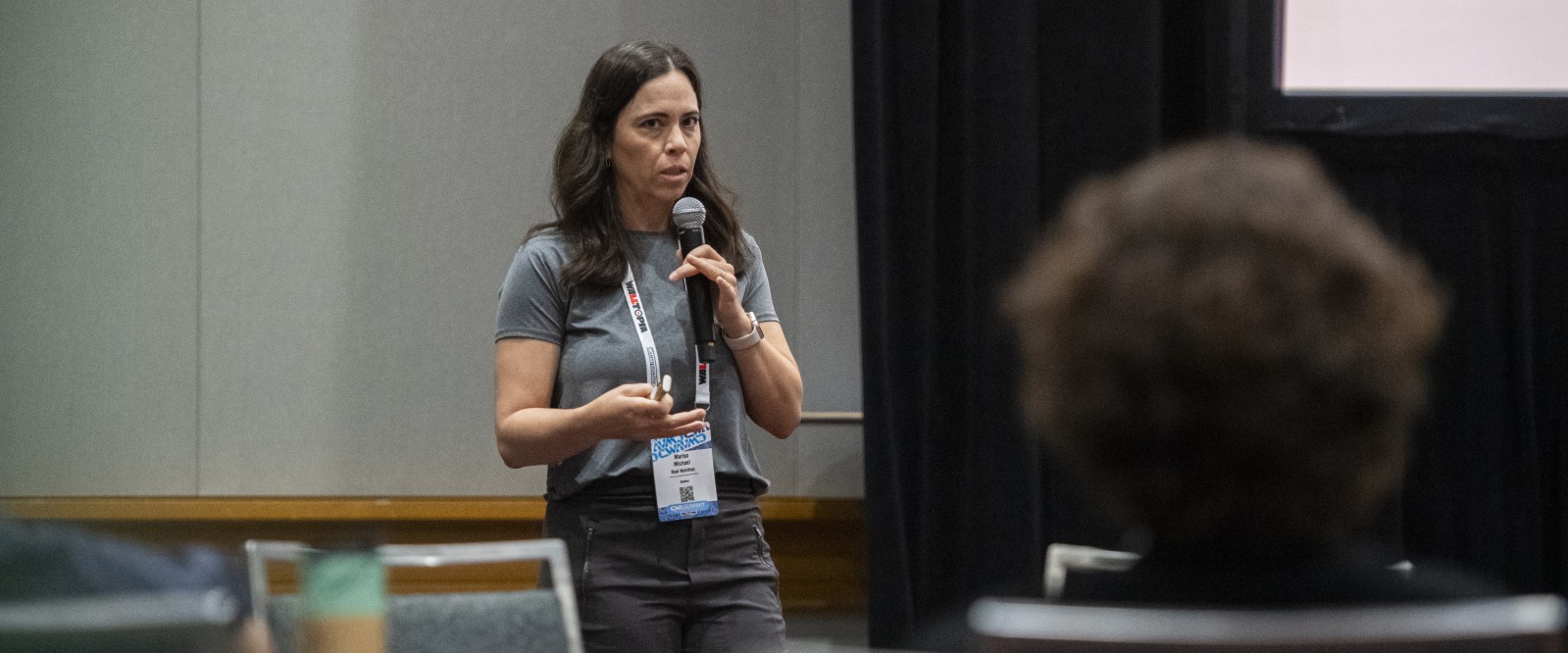
Join Marisa at the CWA Summit
Marisa will be presenting on disordered eating at the 2026 CWA Summit. You can read more about her session, and purchase tickets, here.
SafeSport gives a good framework for keeping athletes’ needs in mind. SafeSport guidelines state that it is a violation to allow an injured athlete to return to play or training. An eating disorder, even if there is no visible injury, is a metabolic injury. It’s important to give the climber rest and return to training only when cleared medically.
WATCH THIS: Education Series Webinar - SafeSport, Beyond the Trainings
Gym operators could consider implementing a policy requiring climbers to pass a sports physical before participating on the team. This protects the athlete by making sure they’re medically sound to train, and it protects the facility from potential liability and may prevent a SafeSport violation in some cases.
The Crux — What to Do If You Suspect a Problem
The crux is the hardest part of the route. Similarly, one of the hardest parts of being a coach or gym operator is knowing when and how to say something to a climber they suspect of having disordered eating.
Becoming familiar with the signs and symptoms of disordered eating can empower you with good information to protect your team. Look for reputable information from organizations such as the National Eating Disorder Association or the Academy for Eating Disorders.
Be ready to refer your climber to an eating-disorder-informed provider, such as a doctor, dietitian, or therapist. Even if the climber doesn’t have an eating disorder, these professionals can be valuable resources to assess what is going on and determine the next steps to take.
Take the Next Step
Climbing Nutrition: A Comprehensive Guide has everything you need to know about all types of climbers and climbing, including an entire chapter on disordered eating. It’s full of actionable, useful, and evidence-based information for any climber.
About the Author
Marisa Michael, MSc, RDN, CSSD is a registered dietitian, board-certified specialist in sports dietetics, and holds a master’s degree in sports nutrition and the International Olympic Committee’s Diploma in Sports Nutrition. She has a private practice in Portland, Oregon, where she helps individuals and teams enhance performance and health through nutrition. She serves on the USA Climbing Medical Committee and the International Federation of Sport Climbing nutrition sub-committee. She is the author of Climbing Nutrition: A Comprehensive Guide and Nutrition for Outdoor Recreation.