
Reducing the Opportunity Cost of Working in a Climbing Gym
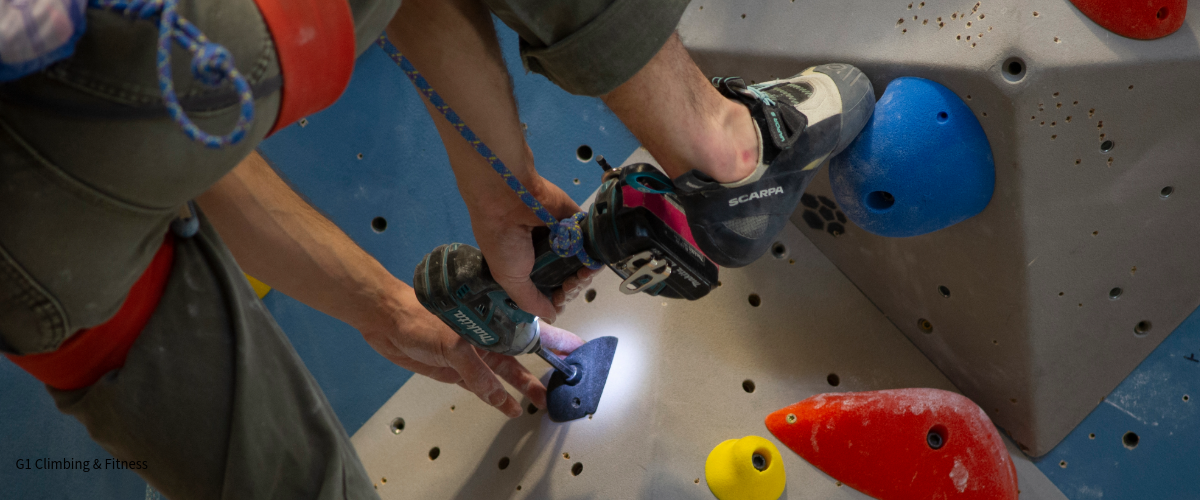
Working at an indoor climbing gym comes with a wide range of benefits. Daily participation in a community you care about (not a given in many careers), coworkers who share your values, and the creativity of routesetting. You can also get the fulfillment of coaching and the sense of belonging that naturally develops in a space people treat as a third place.
Article At A Glance |
|
But one factor that is often left out of conversations about working in the climbing wall industry is the opportunity cost associated with choosing climbing gym work as one’s primary job. For many staff, the low wages, inconsistent hours, and limited advanced pathways make it difficult to build a stable, long-term career in the climbing gym environment. Passion drives many people only up to the point where life/financial instability becomes too much to handle.
If managers/directors/owners/mentors actually want employees to stay, grow, and develop professionally within the climbing wall industry, then they have an obligation to reduce the opportunity cost of working here.
Better compensation, thoughtful policies, and a supportive culture do not merely feel good—they directly influence retention, staff health, and organizational stability.
The purpose of this article is to outline realistic strategies for reducing opportunity costs so we can maintain, grow, and develop our staff rather than continuously rehiring and re-training new (or return/seasonal) employees every year.
Pay Them Fairly, Transparently, and Predictably
In my experience as an employee and manager, compensation is one of the main factors affecting staff retention, stress, and career longevity. Research in organizational psychology consistently identifies pay fairness and pay transparency as major drivers of employee engagement and turnover reduction https://hbr.org/2025/08/new-research-debunks-a-common-criticism-of-pay-transparency
- Even when indoor climbing gyms operate under tight margins, they can take steps such as:
- Conducting annual staffing reviews that include wage reviews
- Creating tiered pay bands connected to training, certifications, and tenure
- Standardizing raises with clear criteria as well as known pay ranges
- Offering more hours to those who want them
- Creating structured “lead” or “senior” roles that reflect skill and responsibility
The gym may not be able to match the salaries of larger industries, but we ought to minimize the invisible financial penalty employees incur by choosing to stay in the climbing wall industry.
Reduce Climbing-Life Costs: Free Climbing, Reciprocal Passes, Pro Deals, and Gear Support
A powerful, low-cost way to reduce opportunity costs is to reduce employees’ living expenses related to climbing. For many staff, climbing is both a job and a lifestyle, so supporting their participation in the sport is equivalent to offering non-wage compensation.
Examples include:
- Free gym membership
- Free guest passes for friends/spouses
- Access to pro deals and industry partnerships
- Reciprocal entry agreements with other climbing gyms
- Free clinics and skill development courses
- Discounts on ropes, shoes, and training tools such as wholesale orders, pro-deals, and connections with brands
These benefits often create hundreds of dollars of yearly value for staff while often costing the climbing gym very little beyond, for example, the time and effort of developing relationships with brand partners. They significantly increase the “real compensation value” of the job and strengthen staff commitment to the community.
Thoughtful Perks and Gifts: Small Signals With Outsized Impact
While I sometimes joke about this as “bribery,” small, well-timed perks play a substantial role in staff morale and perceived organizational support.
Examples that I see often in climbing gyms include:
- P-card/reimbursement when staff travel (eg, to competitions)
- Coffee gift cards during high-volume seasons or hard/weird shifts (think closing desk shift on New Year's Eve)
- Holiday bonuses
- Massage-therapy or PT stipends for routesetters
- “Staff” branded gear
- Team outings, shared meals, or staff climbing days
Gestures like these are inexpensive relative to their emotional and cultural return. They communicate that staff labor is visible, valued, and supported.
Make Work Enjoyable: Self-Determination Theory
Climbing gyms attract intrinsically motivated people—lifelong learners who care about challenge and mastery. Creating a work environment that supports intrinsic motivation is essential for long-term staff satisfaction.
This idea is from Self-Determination Theory (SDT). SDT argues that people are most fulfilled and motivated when three psychological needs are met:
Autonomy – Control over how they approach tasks
Competence – Opportunities to develop and demonstrate skill
Relatedness – Feeling connected and supported by others
Climbing gyms typically excel at relatedness but often fall short on autonomy and competence. Here are a few ways gyms could address opportunity cost through the SDT model:
- Give routesetters meaningful creative input in setting plans and when to change things (EG member comps, Dyno sets etc.)
- Offer coaches flexibility in programming and athlete management
- Assign project ownership (events, curriculum design, member programs)
- Provide clear expectations that the staff help identify (think the Positive Learning Environment / Expedition Contract from NOLS-style outdoor ed scenes)
- Celebrate professional mastery, not just availability to fill shifts
When staff feel they are developing as professionals, not just executing tasks—their job becomes more than a paycheck. It becomes a pathway.
Invest in Professional Development for Coaches and Routesetters
If climbing gyms want to retain technically skilled staff, they must treat coaches and routesetters as professionals whose roles require training, risk management, and ongoing education. These may in include:
- Paying for USAC or CWA certifications
- Funding travel to clinics, workshops, and competitions (and/or even paying part or all of the addition to these)
- Offering stipends for physical therapy, massage, acupuncture, or strength training—especially for setters exposed to repetitive strain
- Providing paid time for lesson planning, athlete communication, or reflection
- Creating and explaining career pathways within the organization
- Hosting cross-gym skill-sharing with neighboring facilities
Invest in Your Staff: CWA Certifications
You can invest in the future of your staff, and your business, by getting your staff certified with the CWA. Explore all our our upcoming Certification Offerings, including our new Professional Routesetting Certification.
Additional Organizational Practices That Reduce Opportunity Cost
Several policies require little financial investment but offer major returns:
Predictable, stable scheduling
Predictability significantly reduces stress and is strongly correlated with improved employee well-being.
Access to paid time off at all levels
Need I say more?
Transparent, competent HR structures
Clear conflict-resolution pathways prevent turnover and improve trust.
Staff involvement in decision-making
People are more committed to decisions they helped create.
A culture of communication rather than top-down mandates
Climbing-gym workers tend to be highly self-directed; treating them as such increases both performance and satisfaction.
Reducing Opportunity Cost Strengthens Staff, Members, and the Industry
Indoor climbing gyms depend heavily (sometimes toxically) on passion-driven employees, but passion cannot offset chronic under-compensation, inflexibility, or a lack of development opportunity. When staff feel undervalued, they leave—and turnover is profoundly expensive. Something pretty we see all too often.
In short, Reducing opportunity costs is how we protect both our people and the future of the climbing industry
About the Author
 Carter Smith is a coach, routesetter, and outdoor educator. He is currently the Head Coach for Triangle Rock Club and lives in North Carolina with his partner and 2 dogs. Carter received his Masters in Experiential and Outdoor Education from Western Carolina University in 2022. Carter’s passion lies in helping children and adults to use climbing as a vehicle for self discovery.