
Bouldering Padding System Maintenance: Your Bouldering Padding Is Talking to You
This article is sponsored content written by Asana.
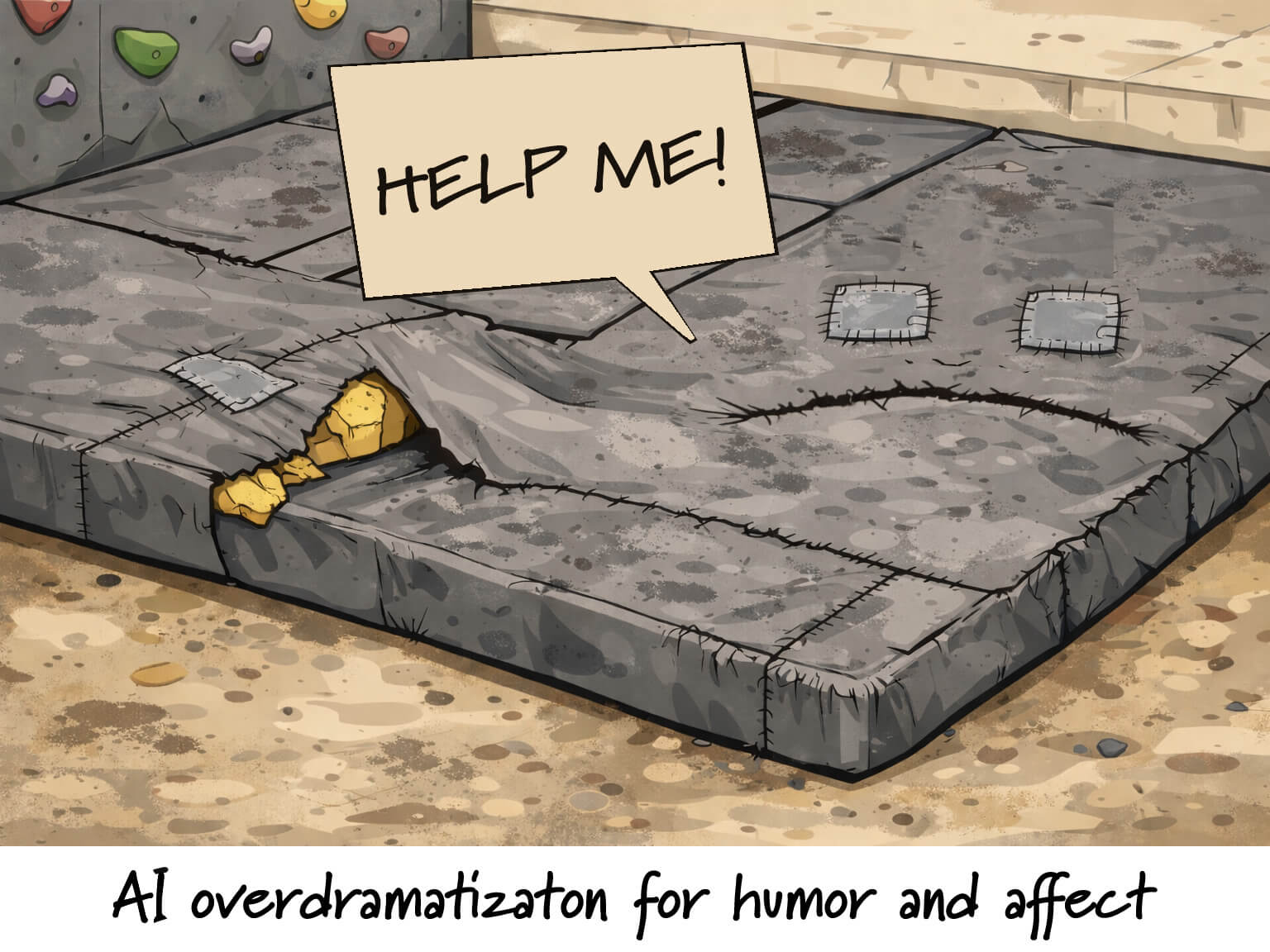
Bouldering padding does a thankless job. It gets stepped on, fallen on, chalked up, vacuumed (sometimes), and blamed when someone misses a heel hook and lands awkwardly. It never flashes. It never gets Instagram likes. And yet, it’s the one thing every climber trusts without thinking about it—right up until something feels off.
Padding isn’t just a floor. It’s a system. And like any system in a climbing gym, it needs a little attention if you want it to keep doing its job without quietly undermining your safety profile, your member experience, or your long-term budget.
I’m Jamey Sproull, founder of Asana where design and manufacture bouldering padding systems for a living—and I also own a gym with a very large one. This isn’t theory. This is lived experience. Let’s talk about how to keep your padding healthy, predictable, and doing what it’s supposed to do for the long haul.
Safety: Gravity Always Wins
Bouldering is a sport built around falling on purpose. Your padding is the final negotiation between gravity and a controlled, repeatable landing. As padding ages, that negotiation gets less forgiving.
Compressed foam, dead spots, blown seams—none of these fail loudly. They show up as subtle changes. Falls feel different. Landings feel inconsistent. And eventually, those “huh, that was weird” moments turn into preventable injuries.
Maintenance won’t eliminate risk—but it absolutely reduces the kind of avoidable issues that members notice, staff worry about, and lawyers love to discuss.
Customer Experience: Climbers Notice Everything
Climbers are excellent at ignoring danger and incredibly good at picking up vibes. They may not know foam density from a pool noodle, but they will notice:
- Uneven or inconsistent landings
- Soft or collapsing seams
- Padding that looks like it’s been through a war
Padding is part of your gym’s personality. If it feels neglected, climbers quietly assume other systems might be too—even if that assumption isn’t fair.
And once that perception sets in, it’s hard to reverse.
ROI: Cheap Now, Expensive Later
Padding systems don’t usually fail catastrophically. They fail slowly, quietly, and expensively.
Skipping maintenance is like skipping oil changes because the engine still runs. Everything feels fine—until it suddenly isn’t. Proactive maintenance costs less, disrupts less terrain, and keeps you in control of replacement cycles instead of reacting under pressure.
The most expensive padding work is the work you didn’t plan for.
Padding Is a System, Not a Rug
Every bouldering floor is made up of three core components:
- The surface – what climbers see, walk on, and grind chalk into
- The sublayer or structure – what supports the surface and distributes wear
- The foam – the part doing the real work
Each layer ages differently. Cleaning the surface doesn’t revive tired foam. Replacing foam doesn’t help if seams are failing. Good maintenance looks at the entire stack—not just the part that looks ugly first.
If you’re only reacting to what’s visible, you’re already behind.
Surface Layers: Where Wear Shows Up First
Surface materials take a beating. Shoes, chalk, traffic, and the occasional spilled energy drink (who brought that in here?) all add up.
High-traffic zones—tall prows, slabs, and vertical fall zones—wear first. Seam covers and attachment points follow. Small punctures or tears may seem cosmetic, but left alone they grow and start compromising what’s underneath.
You don’t notice this during a normal session.
You notice it on a Saturday afternoon when a dozen people are standing around a problem and someone quietly says, “Yeah… landing there feels weird.”
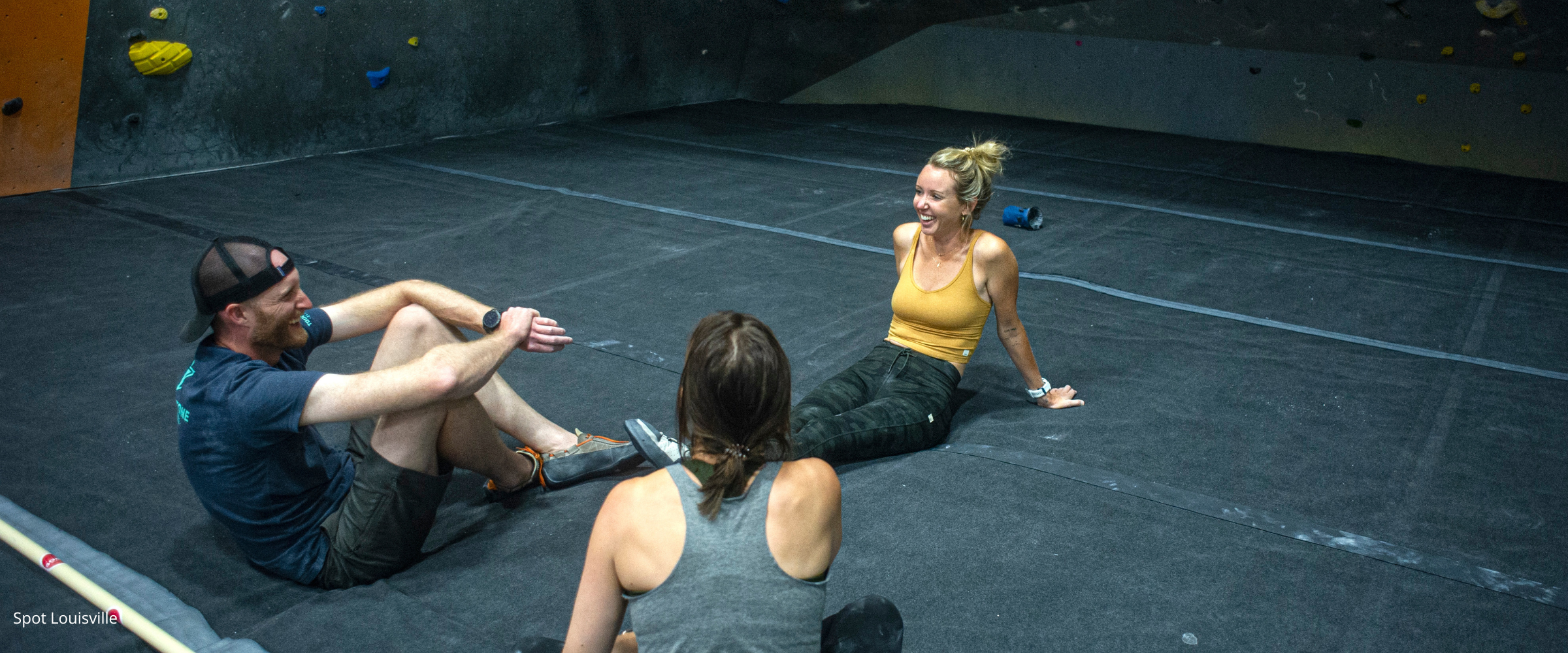
Cleaning matters more than most gyms admit. Chalk isn’t just messy—it’s abrasive. Letting it build up is basically sanding your padding every day. Regular vacuuming and cleaning extend material life and keep the gym looking intentional.
And yes—climbers notice when pads look gross, even if they pretend they don’t.
Foam: The Thing You Only Think About After It’s Too Late
Foam does all the heavy lifting while remaining completely invisible. Most bouldering systems use some combination of:
- Open-cell foam to absorb impact
- Closed-cell foam to distribute impact
- Rebond foam as a hybrid (useful, but not magical—if it were, we’d all be out of business and climbing gyms would last forever)
Foam doesn’t suddenly fail. It gets tired. And it tends to fail during your busiest hours, on your most popular problem, when the front desk is slammed and someone asks, “Has this always felt like this?”
If climbers start avoiding certain areas for no obvious reason, your foam is already sending signals.
And the most expensive padding repairs are the ones you postpone.
One important note: soft doesn’t always mean good. Foam density predicts longevity. ILD tells you how it feels today—not how it performs after thousands of falls. Single-layer foam systems often feel amazing early and disappointing far too soon. Layered systems exist for a reason.
Design Choices That Make Maintenance Easy—or a Nightmare
Some padding systems prioritize a seamless, built-in look. Others are designed to look great and function well long-term. The difference isn’t aesthetics—it’s serviceability.
Built-on-site, glued systems
- Ultra-clean, monolithic appearance
- Repairs are labor-intensive and often require contractors and area closures
Modular systems (especially with toppers)
- Clean, professional look with a unified surface
- Individual sections can be serviced or replaced quickly, minimizing downtime
Here’s a simple test:
Can your staff fix a padding problem without calling a contractor or closing half the gym?
If the answer is no, then repairs can get expensive fast—financially and operationally.
A Maintenance Plan That Won’t Make You Hate Your Life
Good maintenance isn’t about perfection. It’s about catching problems early enough that they’re boring to fix.
You don’t need a spreadsheet nightmare. You just need consistency.
Daily / Weekly
- Visual checks during normal operations
- Vacuum and clean like people actually fall here (because they do)
- Watch high-traffic zones
Monthly / Quarterly
- Feel-test common fall zones
- Inspect seams and transitions
- Rotate or swap modular components where possible (this is a real advantage)
Long-Term
- Budget for foam refresh cycles
- Track repairs—your future self will thank you
- Know when you’re patching out of habit instead of logic
Final Thought: The Best Padding Is the One You Don’t Notice
When padding is doing its job, nobody talks about it. Falls feel predictable. Landings feel consistent. The gym feels professional.
That doesn’t happen by accident. It’s the result of thoughtful design and intentional maintenance.
Treat your bouldering padding like the critical system it is—not just the thing underfoot—and it will quietly protect your climbers, your staff, and your business for years.
Which, honestly, is very on brand for padding.
Brought to you by Asana Climbing
Jamey Sproull is the founder and owner of Asana Climbing. He designs and manufactures custom bouldering padding systems and owns Asana Climbing Gym in Boise, Idaho—where the padding gets used, abused, and maintained daily.