
When to Grow, Shrink, or Cut a Program
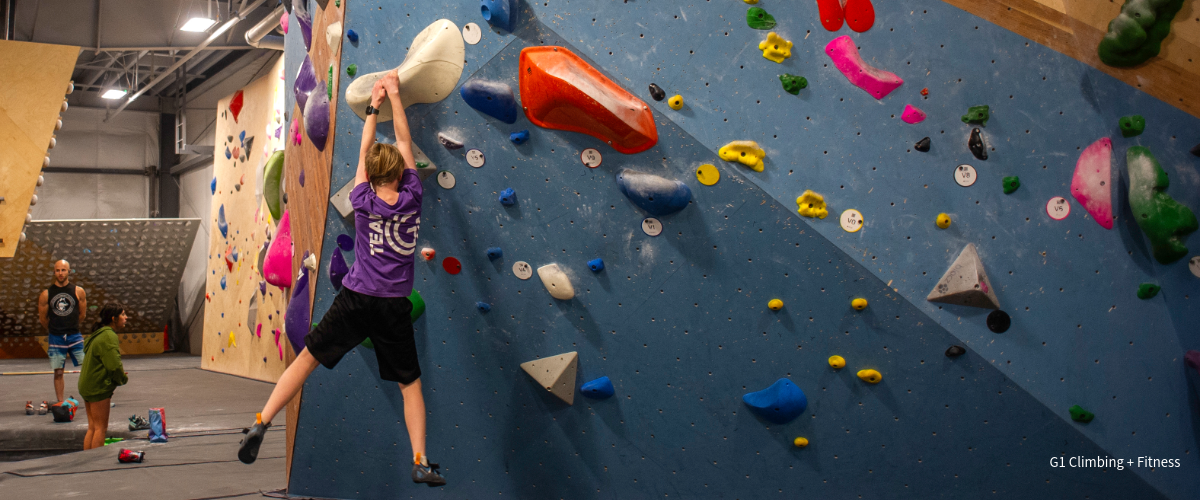
Programming is a crucial resource for indoor climbing gyms. After-school programs, youth climbing clubs, and instruction provide steady revenue throughout the year. Summer camps, birthday parties, and group visits serve as a gateway for new climbers to be introduced to the sport, resulting in an increased client base. Member meetups strengthen retention and community. The Financial Model notes that programs “not only generate direct income but also increase brand visibility and attract new potential members.”
Article At A Glance |
|
However, not every program needs to operate year-round. Responsible growth requires understanding when to grow, shrink, or cut a program. Deciding which programs will help or hurt your climbing gym and timing them for maximum impact requires careful analysis of seasonal demand, staffing, and program performance.
My tenure as Programs Manager has exposed me to many of the factors one must analyze to maintain successful programs. In this article, I will share actionable strategies gym operators can use to determine whether to grow, shrink, or cut a program in service of long-term success.
Seasonality: Growth Based on Demand
Seasonality is a determining factor in the size of program offerings. School calendars, holidays, and weather are all factors I consider when setting up my programming calendar for the year.
The programs that excel in the cold, indoor-friendly winter months do not perform as well in the summer season.
Throughout the colder months, youth climbing clubs and afterschool options thrive as families look for structured indoor activities sheltered from the wintry weather. Once summer arrives, those same families often travel or no longer need additional childcare coverage; therefore, there is a noticeable dip in attendance for these programs.
In contrast, summer camps become the driving force of participation, and for many gyms, become the strongest contributor to annual programming revenue
Likewise, during the summer, regular youth climbers take a break from their weekly scheduled programming as many take off for vacation or parents no longer require additional help from after-school programs.
The revenue drought brought on by summer from lessened participation can be easily combatted by growing your summer camp program.
John Burgman, contributing editor for Climbing Business Journal, notes that, “summer can see attendance dip as families travel and take vacations; therefore, summer camp at a gym can be a way to increase slower summer revenue”. That shift in behavior signals that summer camp is the ideal program to grow in summer, while weekly youth offerings should shrink temporarily.
To support scaling, staffing adjustments must occur months in advance. Hiring seasonal counselors during spring allows your climbing gym to accommodate a large, bustling summer camp.
Pro Tip: Seasonal staff, such as college and high-school students seeking short-term work, can effectively support growing programs without creating payroll strain when demand drops in the fall.
Seasonal shifts can cause a program to lose traction. This is when a facility should shrink or cut the offering and reinvest those resources elsewhere.
Staffing: Grow While Maintaining Quality
Even when demand is high, a program should only grow when staffing levels allow for consistent quality and appropriate participant ratios. When a program lacks enough instructors, counselors, or coaches, there is a choice to be made: shrink the program or risk the quality that keeps participants coming back.
To have a steady customer base, you must maintain or enhance the quality of your programs, never lower. If you are understaffed, you will most likely have to sacrifice quality to maintain quantity, which reduces retention. Shrinking temporarily preserves the long-term health of the program.
This decision is especially prominent when it pertains to youth programming, where ratios are not optional.
Strategies to Shrink a Youth Program (Without Cutting It):
- Reduce the number of weekly sessions during lower-demand seasons.
- Cap class sizes to preserve program quality.
- Pause enrollment for new participants and focus on retaining existing climbers.
- Scale back marketing pushes to match enrollment goals.
Overstaffing, alternatively, creates its own challenge: payroll waste. When payroll outweighs revenue for more than one season, it is time to cut if restructuring the offering to increase demand has not been successful.
Evaluating Success: The Metrics That Guide Decisions
Not all programs are the same, and a program is not automatically successful because it brings in money. Success metrics to focus on include revenue, brand perception, and member retention value.
Some programs generate high revenue but have heavy staffing costs or are sustained by expensive materials/equipment so they may only break even financially. Other programs generate lower revenue but have lesser costs, so you may be making just as much as the flashy big programs. Some programs don’t even generate income, but they give you the perk of member retention (i.e., meetups).
To determine when to grow, cut, or shrink a program, I evaluate the following factors:
- Cost vs. revenue: Track payroll and quarterly gear/material cost against what the program brings in. Strong margins indicate growth, while consistent negative margins indicate a need to cut.
- Participation trends: Are spaces filling, or is the program struggling to receive customer traction? Full enrollment and a shown progression into other programs indicate growth, while fluctuation or repeated cancellations are indicative of a need to cut or shrink.
- Retention indicators: Which offerings are keeping members engaged? A pipeline into long-term involvement indicates a need to grow, even if the program does not bring in the most money; however, be wary of a program of this nature that requires a high investment.
- Community and Brand Value: Does the program strengthen your gym’s mission and customer loyalty? If it fails to do this, it may be time to cut.
Climbing gyms that regularly analyze and refine their programming remain adaptable and positioned for long-term success. With a strategy rooted in continuous evaluation through clear metrics and justified scaling, gym leaders can confidently determine when to grow, shrink, or cut a program, ultimately building offerings that support a thriving community.
About the Author
 Aitana Martinez is the Programs Manager at Triangle Rock Club’s Raleigh location in North Carolina. She holds a Bachelor’s Degree in English from Florida International University, where she graduated in 2024 with plans to pursue a career in writing. Aitana discovered climbing in the spring of 2022 and quickly fell in love with the sport. A proud “boulder bro” who occasionally ventures onto top rope and lead, she spends much of her personal and professional life inside the climbing gym, whether she’s managing or expanding programs. She now wants to bridge her love for climbing and writing.